Friday, October 10, 2014

Iceland

I'm not being very efficient at blogging retrospectively about my North Atlantic trip, but I'll plod on. As I get older I'm becoming more and more aware of how fragile memories are, and of how valuable the act of recording is in anchoring my recollections. So, Iceland.

I want to go back to Iceland. We had three days in there and it wasn't nearly enough for a slow tourist such as I am. What was so interesting?

1 The landscape. When we anchored in Reykjavik, this was the view from our cabin verandah. Over our three day stay there were varying degrees of mist and clarity, but it was always lovely.
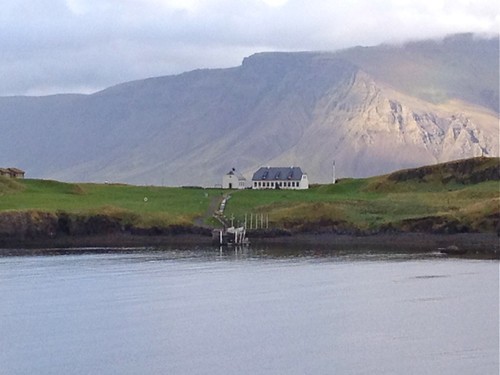
Iceland Rejkjavik Harbour

On one of the days in Iceland we made the well-known Golden Circle tour outside Reykjavik that takes in some of the accessible natural wonders of Iceland. Everything we saw was wonderful (we did have fine and sometimes sunny weather) but it left me longing to see even more, and to see the variations that must occur with the seasons.
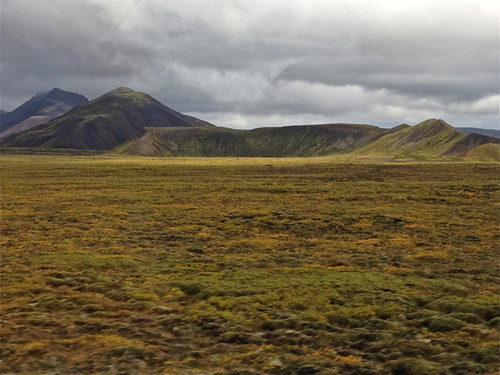
Iceland landscape

Even in the brief time we had we glimpsed Iceland's spectacular natural environment. We saw the Gullfoss waterfall where the river plunges into a crevice and seems to disappear in a cloud of mist (this was one of the many occasions on this trip when I realised that my smartphone was an inadequate camera. My prior satisfaction with photos taken with my smart phone was very delusional when it came to photographing something as wonderful as these falls):
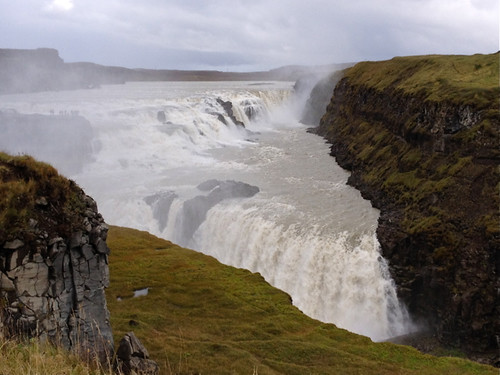
Gullfoss 3

We walked through the Hankadalur geothermally active area and laughed with delight at the sudden explosions of the Strokkur geyser that spurts 15 to 20 metres into the air:
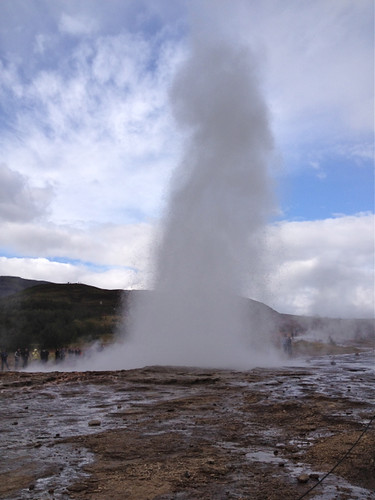
Iceland - Geysir

Then there was the breathtaking Thingvellir National Park where the Althingi, Iceland's ancient parliament, met from around 930 to 1798, and where the major tectonic plates of the northern hemisphere meet and are gradually separating:
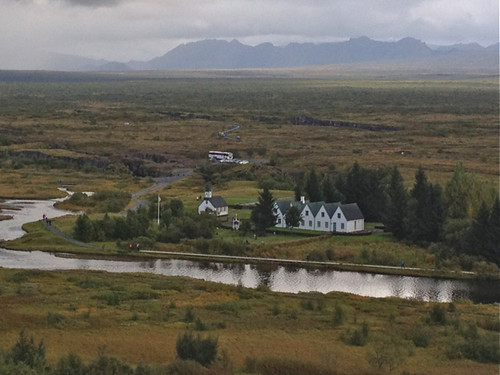
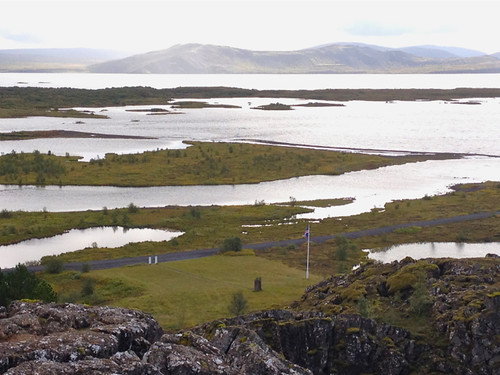
Iceland Thingvellir National Park
Iceland - Thingvallavatn

We saw all this wonder in a day's short trip. I'm so grateful to have seen this stunning land, but I've been left with a great desire to travel further and see more.

2 Secondly, Reykjavik is charming. It's a small enough city to walk around the centre and admire its modern structures such as the Harpa Concert Hall
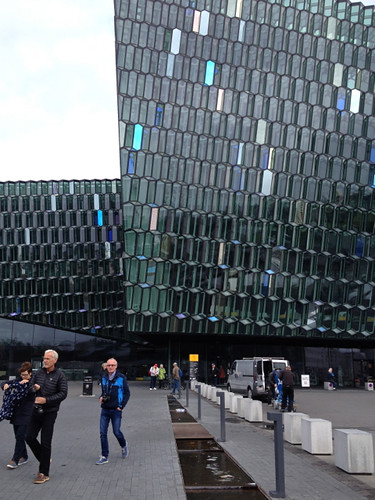
Iceland Harpa Concert Hall

and the mid-twentieth century Halgrimmur Lutheran church that dominates the city's skyline (and serves as a useful orientation point for the wandering tourist).
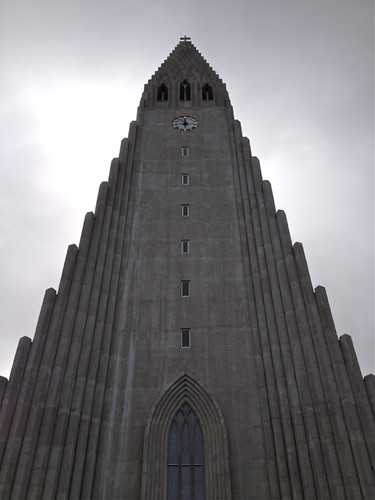
Iceland Hallsgrimur Cathedral

There's great charm in the Tjornin Pond that's a feature of central Reykjavik,
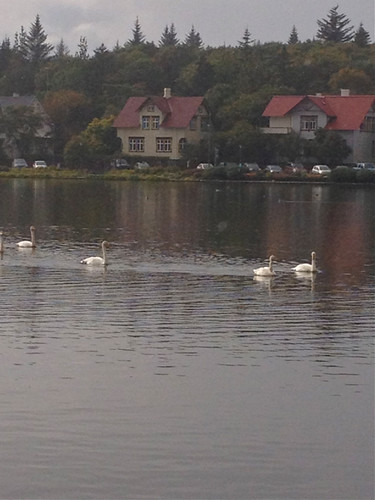
Iceland Reykjavik Tjornin Pond 2

and in the colourful residential areas that surround it.
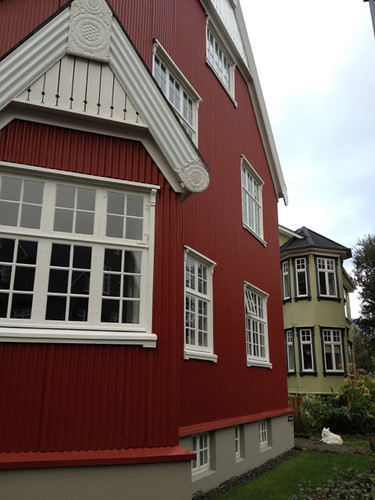
Iceland Reyjavik colourful houses
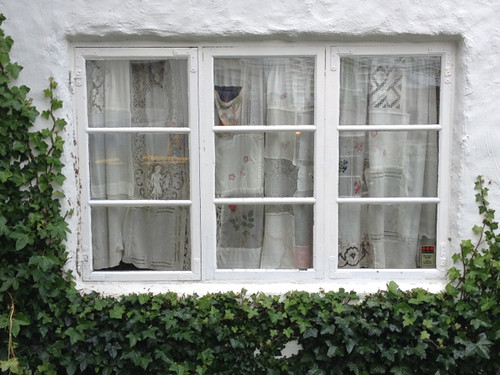
Iceland Reykjavik window
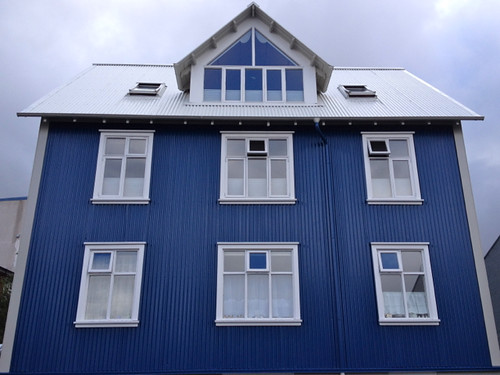
Iceland Reykjavik blue house

3 Third, Iceland's history is intriguing - especially for an Australian. Very superficially, there are a number of things that Iceland and Australia have in common. We're both island nations, quite isolated geographically. We're both countries of magnificently fierce and mainly uninhabitable landscapes where small populations cling to the coastal edges. In both Iceland and Australia you have the sense that people inhabit the land uneasily - aware that extremes of climate and the vagaries of the natural world will make human habitation challenging. But there are ways in which we're very different. Iceland has had European settlement, initially from Norway, since at least the ninth century. There were no indigenous settlers in Iceland so that consequently there's an unquestioned sense of ownership of Iceland's history and traditions. Until very recently Iceland's history of settlement and immigration has been almost entirely Northern European and even today it seems to the casual visitor to be culturally homogeneous.

Icelanders document their history with pride. I found the National Museum of Iceland, which recounts Iceland's history since the ninth century through the display of iconic objects and artifacts so engaging that I visited twice. The displays were all interesting, but of course I lingered longest with those that documented Iceland's rich textile history, such as this embroidered altar-frontal whose design could have been made yesterday, but in fact dated from 1694,
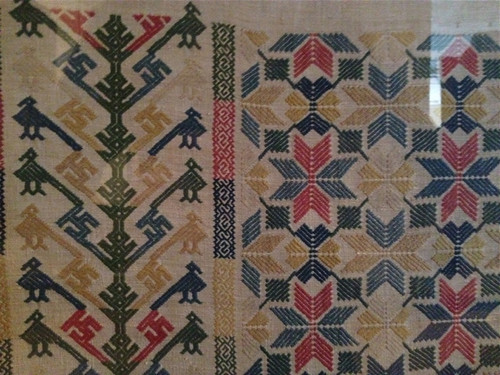
Iceland altar frontal 1694

and these nineteenth century sealskin shoes with their knitted inner-soles.
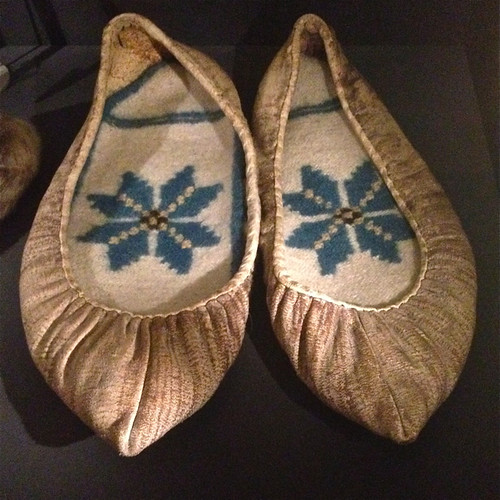
Iceland sealskin shoes knitted insoles

I also managed to visit the Arbaerjarsafn open-air museum, after much grappling with rain squalls, the inscrutable route of the number 12 Reykjavik bus and an opening schedule that had moved to its winter hours on the very day of my visit. Arbaerjarsafn is located in a field on the outskirts of Reykjavik and combines an original farm with 'typical' buildings from past times that have been relocated to this site. As readers of my blog know, this is my favourite kind of museum - one where a combination of architecture, furniture, decor and everyday objects gives you an insight into the lives of people in the past.
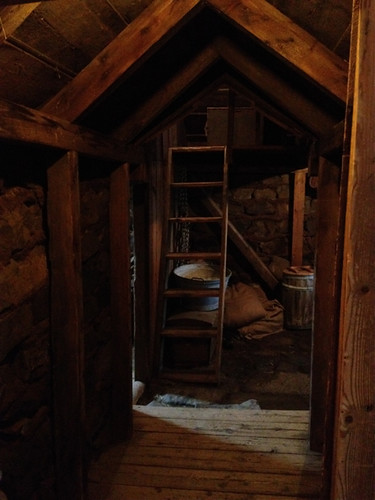
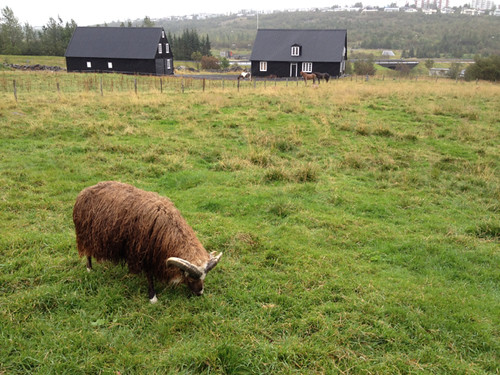
Iceland, farmhouse 2, ArbaerjarsafnIceland, Arbaerjarsafn open-air museum

4 Finally, Iceland is a splendid destination for anybody interested in textiles; particularly yarn and knitting. We visited the Istex yarn factory, which is another inspirational business model that supports local wool growers and processors. Istex buys wool directly from farmers across Iceland and then scours, spins and processes the wool locally. Among other woollen products, Istex makes the Lopi yarns in various weights that are knitted into the famous Lopapeysa yoked sweaters.
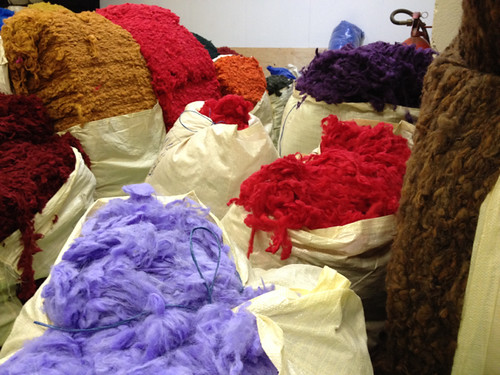
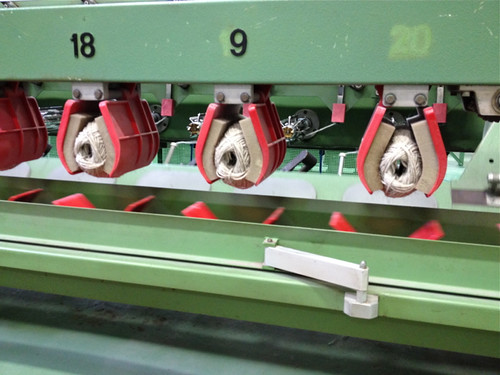
Iceland, dyed fleece, Istex, MosfellsbaerIceland, Istex factory, Mosfellsbaer

Almost everywhere we turned there was yarn and knitted woollen garments and blankets. At the Alafoss outlet in in an old factory by the Alafoss waterfall in Mosfellsbaer there was a huge range of the Lopi yarns for sale in all weights and colours, as well as handknitted jumpers, cardigans, jackets, hats - everything you can imagine, including the most exquisite small dolls decked out in handknitted traditional Icelandic dress:
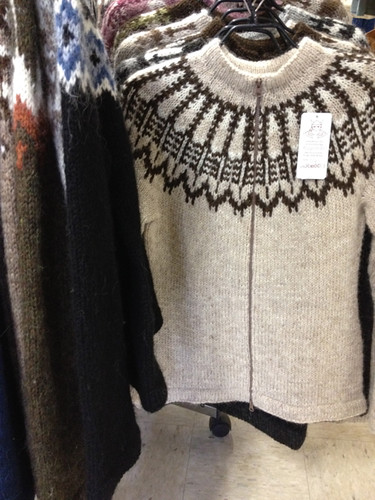
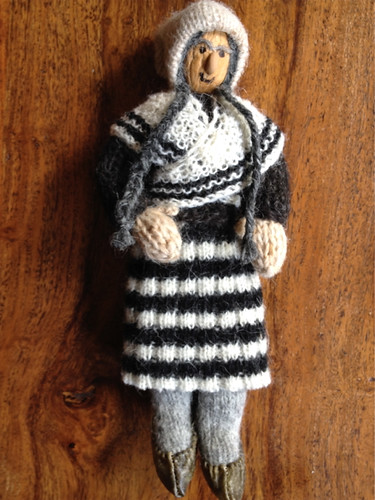
Iceland, Lopi sweaters, Alafoss factory shopIcelandic doll

The Handknitting Association of Iceland store in central Reykjavik, that enables customers to buy directly from the knitters, was literally stacked from floor to ceiling with handknitted goods, as well as the Lopi yarns. Lots of lopapeysas:
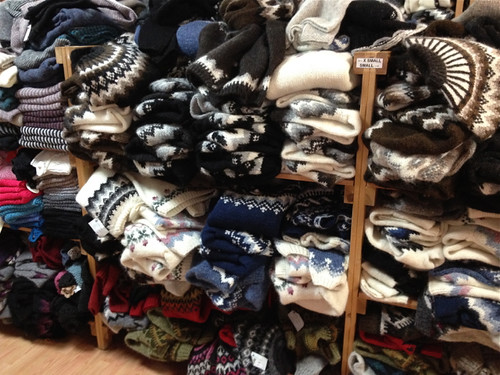
Iceland, lots of Lopapeysas, Reykjavik

And finally, there was the beautiful Storkurinn yarn store where the owner Gudrun Hannele Henttineu, who is currently writing a book on the tradition and practice of mitten knitting in Iceland, gave us a talk and showed us a dazzling variety of old and new mittens illustrating the patterns and their development. Such a treat.
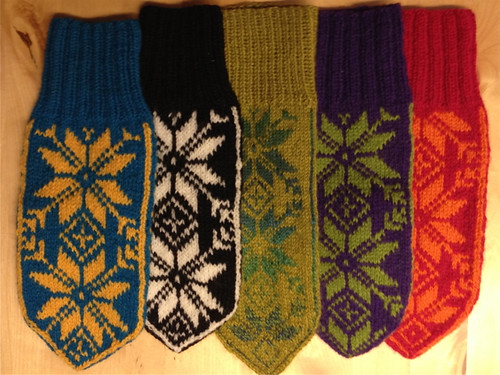
Iceland - Storkurinn mittens

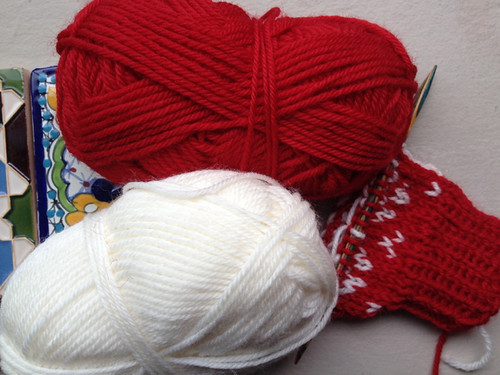
So what did I buy? Remarkably little considering how much was on offer. I was overwhelmed. I bought only one skein of Lettlopi, the yarn from which the lopapeysa sweaters are usually knitted. I decided I wanted to see how it knitted up and used it in my Lopi class where we knitted a miniature lopapeysa. I also bought four skeins of bright red Lopi Einband (a sturdy laceweight yarn) at Alafoss, and at Storkurinn I bought some Gryla yarn that's a recent project from French-Icelandic knitter Helene Magnusson.
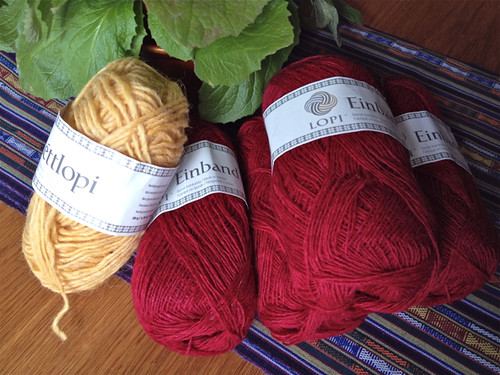
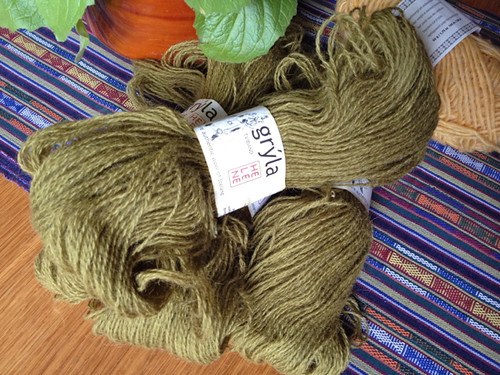
Iceland lopi yarnsIceland gryla yarns

Saturday, October 4, 2014

The Faroe Islands

As our cruise ship left the Norwegian coast, the captain announced that a severe hurricane was moving towards our route and that we needed to scurry at speed to keep ahead of it. This meant altogether missing our scheduled stop in the Shetland Islands, shortening our stay in the Faroes, and spending extra time sheltering in Rejkjavik, Iceland. You can imagine how disappointed our knitting group was, as our time in Lerwick in the Shetland Islands was to be a highlight of our trip, with visits scheduled to Jamieson and Smith and to museums with special interest for knitters. Of course I shared in everybody's disappointment, but I was secretly relieved that it was the Shetlands, and not the Faroe Islands that had been deleted from our trip. When I'd decided to go on this cruise I think it was the prospect of visiting the Faroe Islands, more than anywhere else, that enticed me. There's no significant reason this should be so, though some time ago I'd read 'Far Afield', a novel by Susanna Kaysen about a young anthropologist who spends a year in the Faroes undertaking his fieldwork. Apart from the fact that this subject matter had particular resonance in my family of anthropologists, I was fascinated by what seemed to be such an anachronistic society. The Faroes are a self-governing country, but they're part of the Danish realm; they're halfway between Iceland and Norway and closer to Scotland than to Denmark; they speak Faroese, a language with some relation to Icelandic, but otherwise quite distinct; until recently when there's been an expansion of infrastructure, communication between the islands that make up the Faroe archipelago was limited and the Faroes functioned as a loose confederation of settlements, rather than a country.

How can one not wonder about such a place?

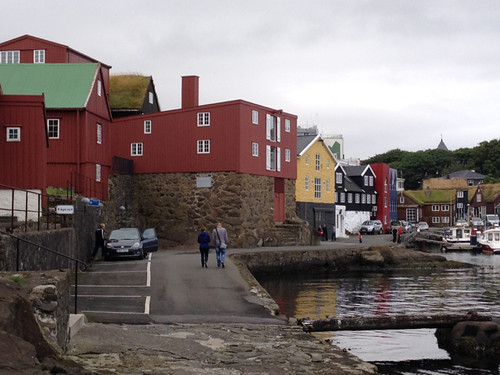
Inevitably, my experience of the Faroes was brief and limited to Thorshavn, capital of the Faroes and, with a population of around 12,000, the largest town in the archipelago. However, Thorshavn was rewardingly charming and made for some delightful wandering in the limited time available. There's a small harbour that for centuries has been the main point of access to the town:

Faroe Islands - Thorshavn Harbour

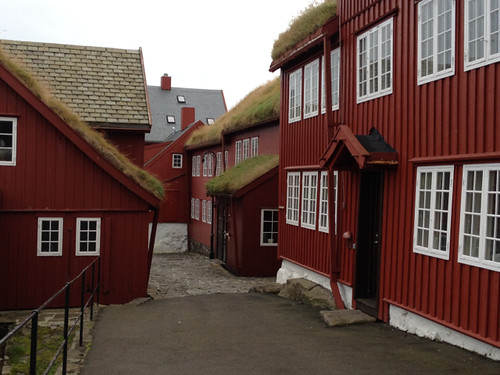
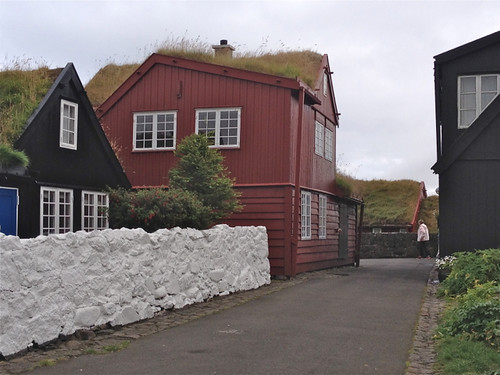
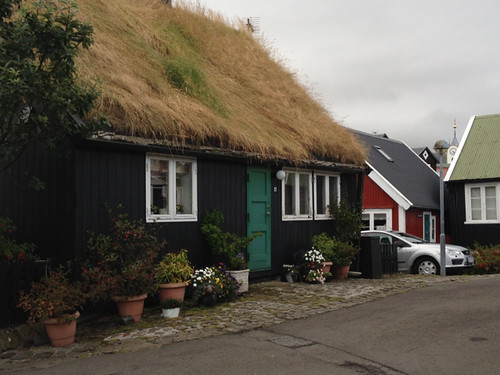
and next to the harbour there's the old settlement of Tinganes, where some of the still-inhabited turf-roofed houses are reputed to be up to 500 years old:

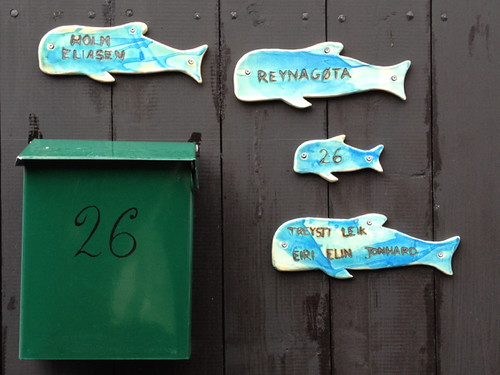
Faroe Islands - Thorshavn old town 3Faroe Islands - Thorshavn house numberFaroe Islands - Thorshavn old town 2Faroe Islands - Thorshavn old town

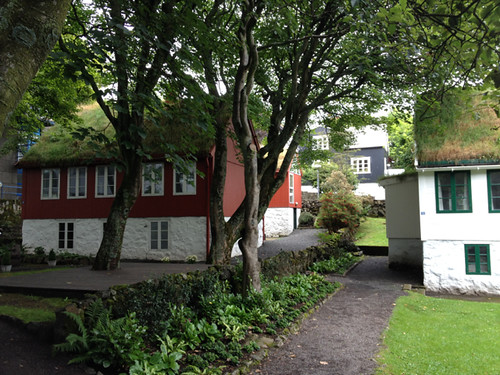
I was delighted to see that even some of the more modern houses on blocks of land rather than in the rambling old town had continued with the tradition of turf-roofed houses which must be efficient both for insulation and for protecting the roofs against the high winds that buffet the Islands for most of the year:

Faroe Islands - houses with turf roofs

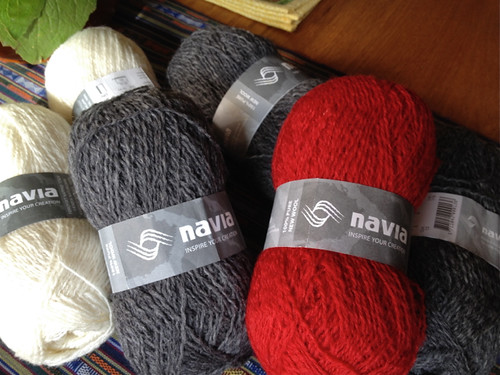
I'd become aware of the Island Wool Company, an on-line business that promotes and sells Faroese yarns, before I began my cruise and was hoping to be able to see some of the yarns in situ. We were fortunate to be able to visit the Navia shop where the Navia yarns that are one of the Faroese products are sold. (We were fortunate because we visited the Faroes on a Saturday afternoon, and almost all the Faroese shops close early on Saturdays. Navia's owner had kept the shop open for us - probably a wise move considering the amount of yarn purchased by our knitting group.) Navia is another inspiring story about keeping alive the wool and knitting traditions of a society. It began only in 1994 but has expanded to have distributors in many countries around the world. I bought some Navia Uno, a thickish laceweight yarn that's a combination of Faroese and Shetland wool and Australian lambswool:

Navia yarns

I used some of this yarn for my class projects and loved knitting with it.

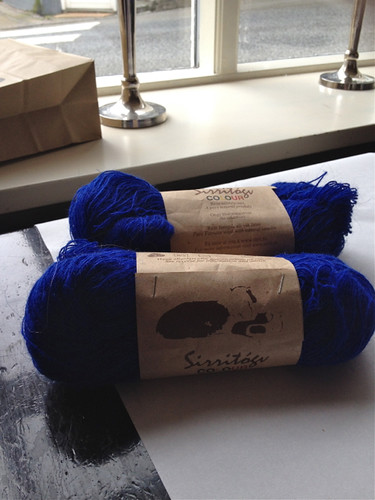
And at a different shop, in the moments before it closed for the day, I purchased two skeins of Sirri yarn - another of the yarns promoted by the Island Wool Company.

Faroe Islands - Navia yarn

Sirri is 100% organic yarn from Faroese sheep that has not been chemically treated. Its producers describe it as having a 'rich' texture, which you can translate as hairy and sticky, with a high lanolin content. Yet again I bought laceweight (500 metres in a 100gr skein), imagining it knitted up loosely on large needles. We'll see.

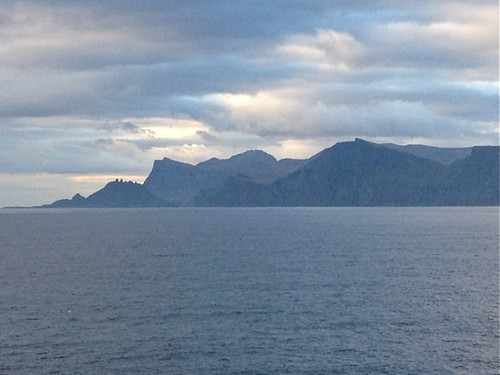
It was only after our visit to cosy Thorshavn, when the ship was sailing away from the Faroes, that I had a glimpse of the rugged grandeur for which they are renowned. I need another visit to see more of the Faroe Islands.

Faroe Islands

Thursday, October 2, 2014

Bergen, Norway

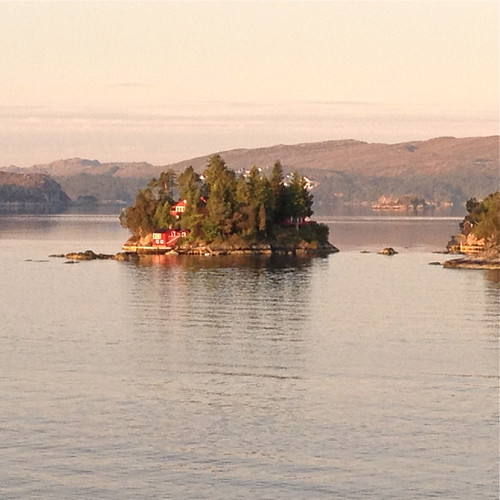
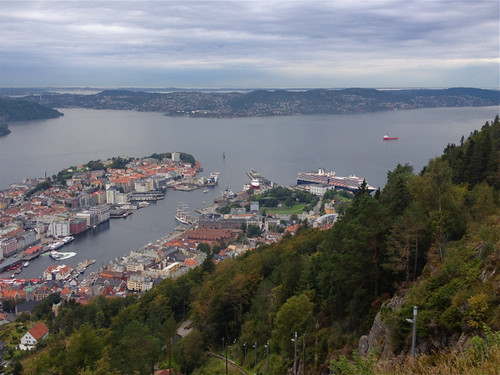
There's great pleasure to be gained from entering a city or town by sea.

Norway - approaching Bergen

This was a particular pleasure in Bergen, and very appropriate. Bergen seems very isolated - located in the south-east corner of Norway and separated from other towns and cities both by distance and difficult terrain.

Norway - Bergen

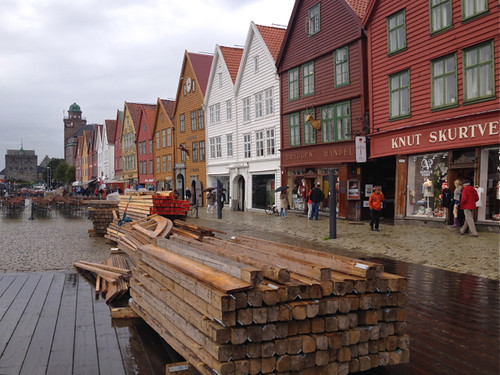
But for the many centuries when sea-going was the major means of travel, Bergen was in constant contact with other maritime cities in Northern Europe. The old port of Bergen, Bryggen, is a reminder of these centuries of trade and international commerce.

Norway - Bergen Bryggen waterfront
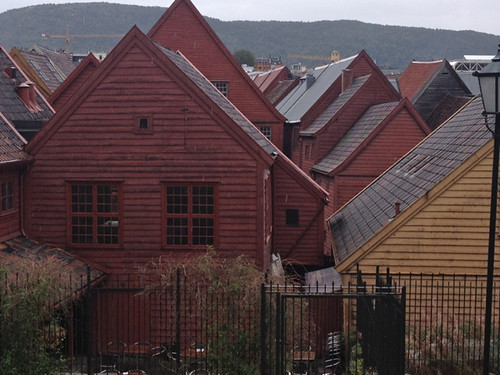
Norway - Bergen 18thC wooden houses Bryggen

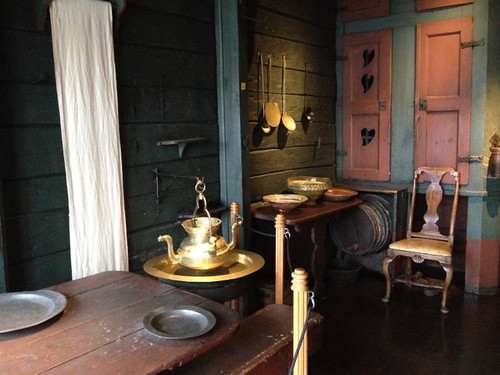
The old Harbour-front and the area behind are a UNESCO World Heritage site, and even though the densely built area now house cafes, craft shops and restaurants, you can still imagine a time when it was filled with the bustle of a busy trading port. The Hanseatic Museum is also situated in one of the old trade houses in the Bryggen area. The museum recreates interiors from the 18th and 19th centuries. The Hanseatic League, which promoted and safeguarded trade in Northern Europe had one of their foreign Offices at Bryggen in Bergen from the mid fourteenth to the mid eighteenth century. The Hanseatic merchants traded mainly with stockfish from Northern Norway and grain from the Baltic countries. Only German merchants were allowed to live at Bryggen during the period of the Hanseatic Office. These Hanseatic merchants were unmarried and had to live in celibacy as long as they lived in the area. The Hanseatic Museum shows what one of these trade houses might have been like in the last years of the German Office at Bryggen.

Norway - Bergen Hanseatic Museum 2
Norway - Bergen Hanseatic Museum 3

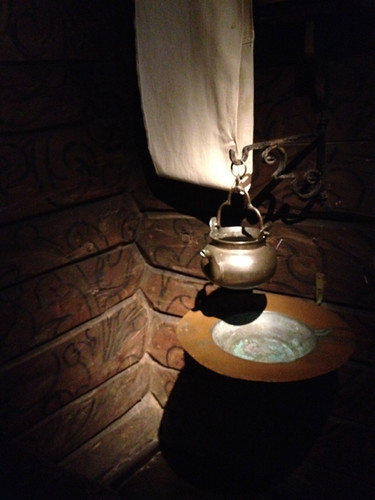
I'm always interested in this kind of small museum where you can glimpse the everyday lives of people who helped shape the way of life of those who now live in this community.

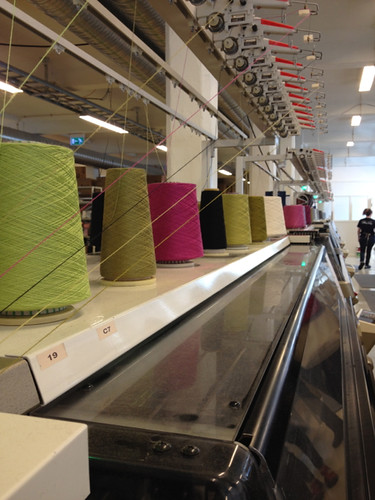
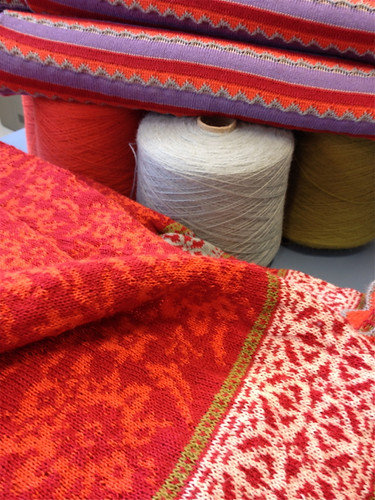
The cruise knitting group of which I was part visited the Oleana knitwear factory which is most attractively situated on a fjord just outside of Bergen. I was unaware of this knitwear brand before this visit, but subsequently on my travels I noticed people wearing the distinctive jumpers and cardigans in different cities around the world. Oleana was founded in 1992 with the aim of preserving Norway's proud textile tradition and employing people who work with textiles. I think it's as interesting for its business model as it is for products. Oleana has had only one designer, Solveig Hisdal, since its inception and her aesthetic has clearly been a central part of the company's success. But probably even more important has been the company's insistence on creating quality products. They invest in the most modern and most efficient machinery and in the best quality yarns that are sourced from many countries and spun to Oleana's specifications in Italy. All the manufacture of the fabrics and garments is then undertaken in Oleana's factory.

Norway - Oleana knitting machine
Norway - Oleana yarns and fabrics

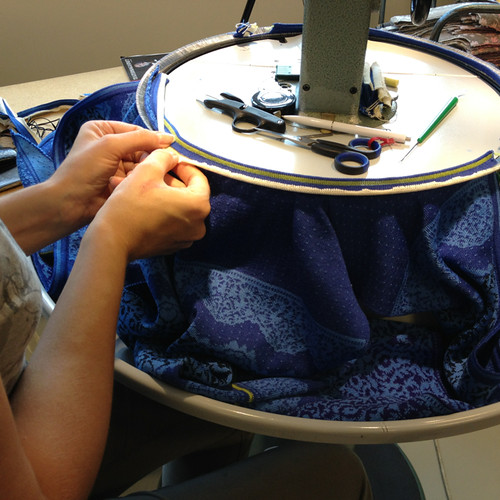
The company and its directors (who include the founders of the company and now a second generation from the families) choose staff carefully - we were told that one of the most important qualities they recruit for is a sense of humour - and then provide good pay, training and conditions. The production is meticulous with all garments being individually finished with great care and attention.
Norway - Oleana linking machine

As an inevitable outcome of all this care for quality, the beautiful jumpers and cardigans are very expensive, but apparently last forever.

And what did I buy? Even though there were shops where yarns were easily available, and rack upon rack of jumpers and cardigans in recognisably Nordic designs, I bought very little. Clearly I hadn't yet assimilated the idea that yarn purchasing was a necessary part of travel! I bought only two skeins of local Peer Gynt worsted weight yarn which I needed for my class on 'Mittens of the North Atlantic'.

Peer Gynt yarn

Monday, September 29, 2014

Wonderful, wonderful, Copenhagen

It's more than a month since my last post - the longest gap in posting since I began my blog more than six years ago. For some of that time I didn't have access to the internet, and so I had some excuse for not writing. And then, after such a gap, I began to question the need to maintain the blog. But I've been travelling, and regardless of whether others read the blog, I know how much I've valued past records of my travels - and my responses to my travels - that the blog records. So here I am again, belatedly, trying to capture some of the experiences of the last few weeks.

I've decided to try for a post a day over the next week or so. I've abandoned any attempt to write thematically or to be particularly reflective. Such organisation would inevitably delay writing even more. So, however randomly, these are some thoughts on my travels. I'll begin at the beginning, Copenhagen, and try for five things about Copenhagen.
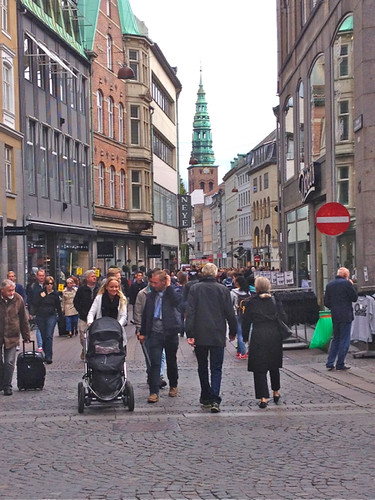
1 Copenhagen is a very livable city. I like it for the reasons I also like Amsterdam. Though it has a population of almost two million, it seems smaller. The centre of the city is flat and so is ideal for walking or cycling, and it has efficient, easily negotiable, public transport to reach more distant suburbs. Copenhagen also has a livable scale, with few buildings more than six storeys high, and lots of pedestrian plazas and spaces for lingering and observing the world.
Denmark Copenhagen Stroget

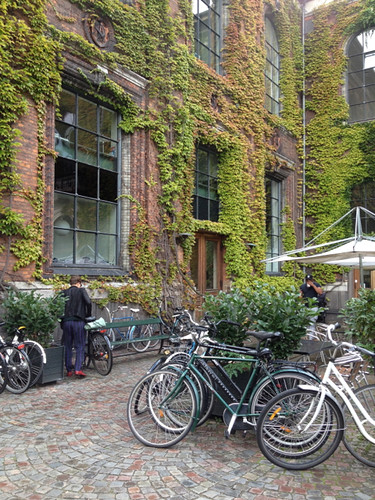
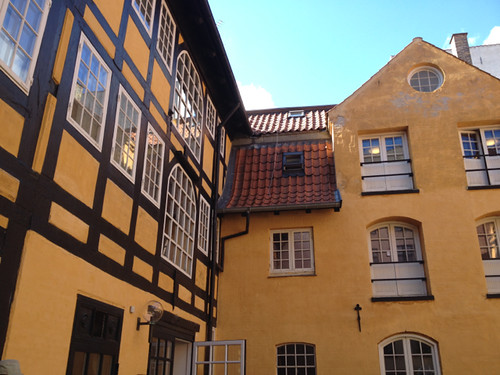
As with other old cities, some of the more intimate loveliness of the city is revealed in the courtyards tucked away behind the grand facades that line the street:

Copenhagen - Kunsthal Charlottenborg
Courtyard, Nyhavn

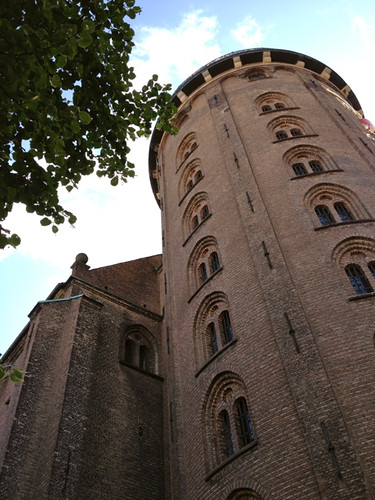
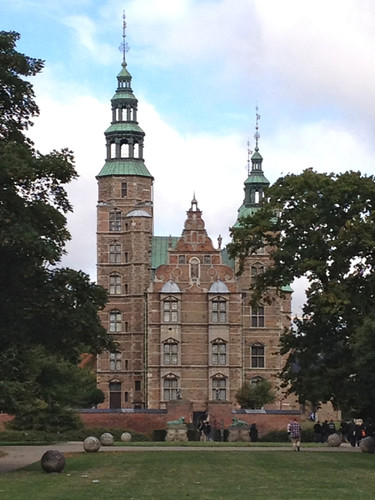
2 Copenhagen values its history, but somehow wears it lightly. Grand monuments are scattered through the city, which has grown around them in such a way that they're integrated within daily life. King Christian IV, whose reign over Denmark and Norway began in the late sixteenth century and lasted till the mid seventeenth century, was responsible for several grand constructions, including the Rundetarn, an observatory you happen upon in one of the main shopping streets of Copenhagen,

Copenhagen, Rundetarn

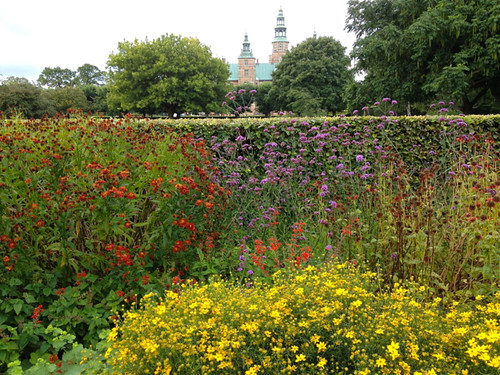
and the Rosenborg Castle, whose surrounding gardens are now a place for public enjoyment:

Copenhagen, Rosenborg Castle
Herbaceous border, King's Garden, Copenhagen

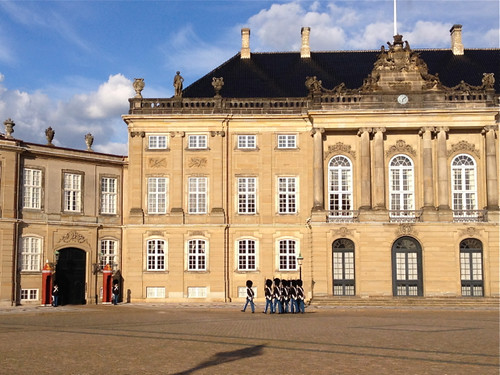
Then there's the Amalienborg Palace, a complex of four beautiful classicist buildings from the 1700s that surround a hexagonal central space that's open to pedestrians and cyclists, but also occasional cars that meander bemusedly through the unmarked cobbled area:

Copenhagen, Amalienborg Slot

The palace was originally the winter palace for the royal family and still serves as such for the reigning monarch, Margrethe II. But it's also the home of Crown Prince Frederick and 'our Mary' and their children. Their front door literally opens into the public space and locals tell of seeing Mary escorting the children to school and the family cycling in the city.

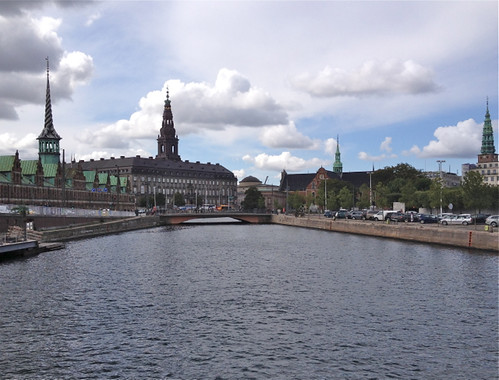
3 Denmark's sea-going history is reflected in the geography and architecture of Copenhagen. Denmark's Viking history from about 800 to 1000AD is acknowledged in popular history and culture, and its sovereignty over Greenland and the Faroe Islands are modern remnants of its marine adventures. There are expansive old canals that reach into the city and surround grand buildings

Denmark Copenhagen canal

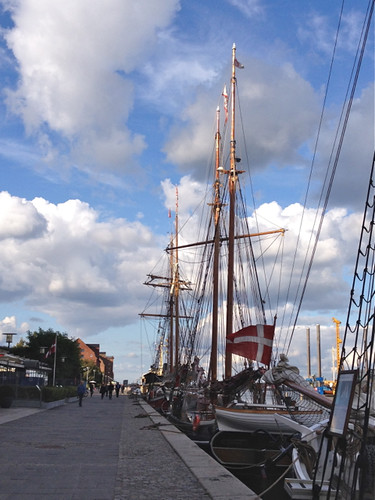
and the Harbour is being rejuvenated with walkways along the docks, restaurants, theatres, and gardens on the western side:

Copenhagen, Larsens Plads

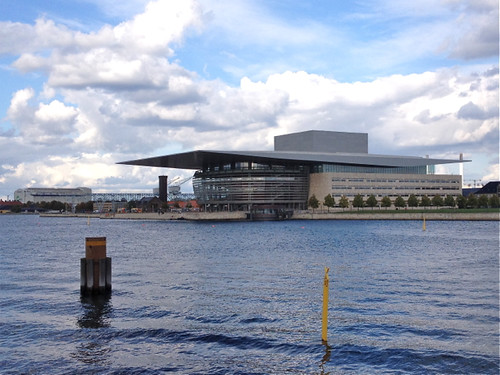
and the elegant Henning Larsen designed Opera House on the east:

Denmark Copenhagen opera

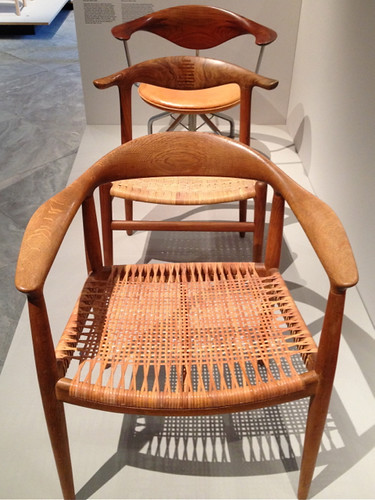
4 Copenhagen has some great museums. There's a limit to what I can see and remember from my jet-lagged state, but I loved the rather chaotic collection of the Design Museum where I was lucky enough to catch a special exhibition of Hans Wegner's iconic mid twentieth century furniture, including many of his oh-so-beautiful chairs:

Hans Wegner chairs

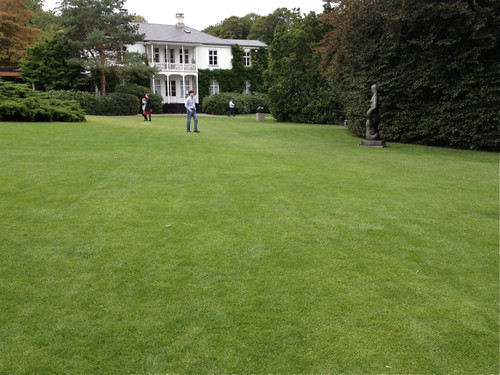
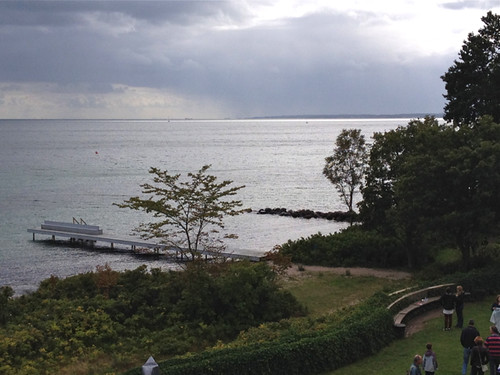
I made a special effort to visit the Louisiana Museum of Modern Art which is located about 35km north of Copenhagen on the shores of the Oresund Sound. It's one of those museums whose wonder is the combination of a beautiful setting with a building that's absolutely suited to its site and purpose. The country house that was the original museum has expanded over time with additions that integrate the gardens and external sculptures with the expansive view of the sea and the exhibitions.

Louisiana Museum of Modern Art
Louisiana Museum of Modern Art - view from the Calder Terrace

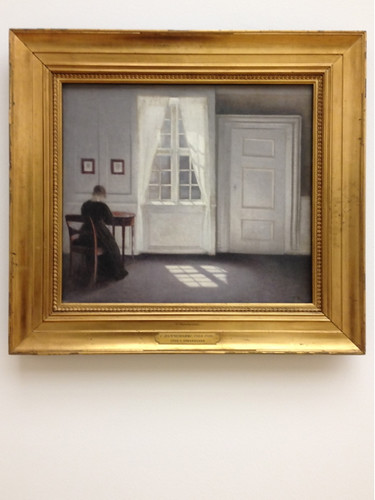
Then there's the National Gallery of Denmark which has many wonderful artworks, but which I particularly wanted to visit because of its works by Danish artist Vilhelm Hammershoj, who painted at the turn of the nineteenth and twentieth centuries.

Vilhelm Hammershoi 'Interior in Strandgade, sunlight on the floor' 1901

There's a whole room of these luminous paintings, sometime inhabited by quiet figures, but often simply the play of light in deserted domestic interiors. I love these paintings.

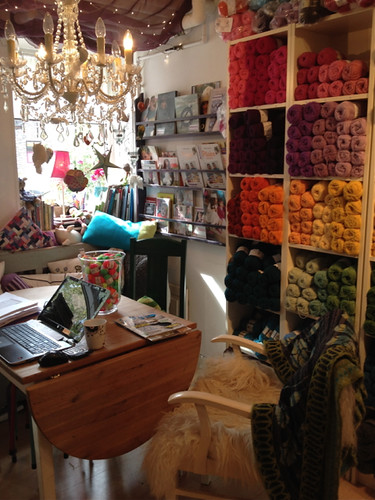
5 Copenhagen is a knitter's delight. I visited two yarn stores, both of which could supply any discerning knitter for years of knitting. I braved the metro to go to Sanne Bjerregaard's store, Rasmilla's Strik & Design. I'd been aware of Rasmilla patterns, and have even knitted one of her children's designs, Fiona's Top, and admire her style. The store was no disappointment. It was charming - stuffed with artfully arranged yarn, sample knitted garments and blankets, books and all kinds of knitting accessories. There was even chandelier!

Copenhagen, Rasmilla's Garn and Strik

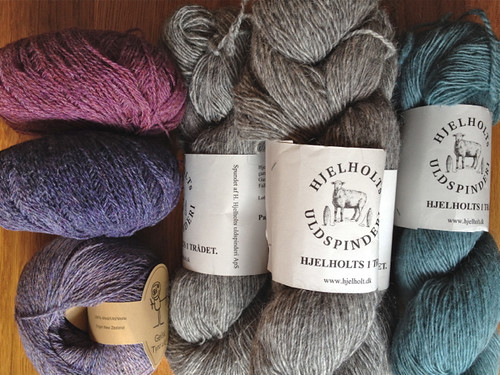
Rasmilla's was my introduction to what was to become the recurring theme of my yarn shop visits - 'sticky' yarns. This is yarn from Hjelholt's Uldspinderi in wonderful muted colours:

Copenhagen, Rasmilla's Hjelholt's Uldspinderi

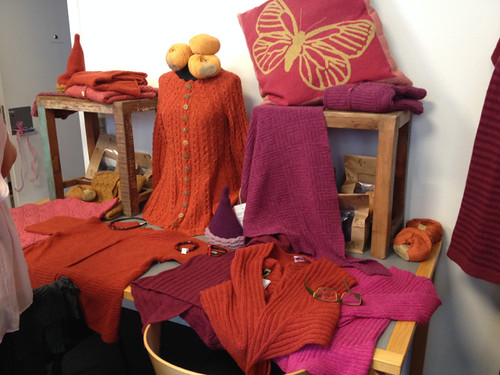
I also visited Sommerflugen in the centre of Copenhagen's shopping area. This store has an unbelievable stock of both local and imported yarns, and supplies embroiderers and tapestry workers as well as knitters. I visited this store with other knitters from my cruise group. We were like a swarm of grasshoppers making our way through the store (though I was super restrained). We were very fortunate that designer Bente Geil had organised a trunk show of garments she'd designed and knitted from her own range of yarn - Geilsk, and that she was there to discuss designing and knitting.

Geilsk Designs at Sommerfuglen - red

Bente most generously gave each member of the group two 50g skeins of her Geilsk Tynd uld (ironically, wool from New Zealand, though processed to Danish yarn preferences) and I bought a third skein to have enough yarn for a shawl from coordinating colours.

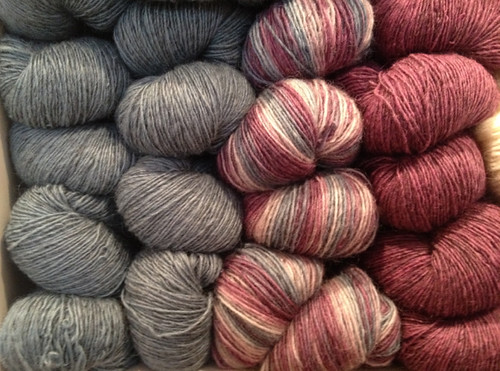
So, my yarn acquiaitions after my first stop:
4 x 100g (400m) skeins Hjellholt's 1 Tradet
3 x 50g (288m) balls Geilsk Tynd uld

Copenhagen yarn purchases